
If you manage commercial or multi-unit property, electrical issues rarely present as a clear warning sign. They show up as a tenant complaint, a tripped breaker at 11 PM, or worse, a fire marshal's report. Most of that is preventable with routine maintenance, and most of it gets skipped simply because nobody owns the checklist.
Table of Contents
Here's a straightforward one. Commercial properties should have their electrical systems inspected at least annually, with more frequent checks on panels, exterior lighting, and emergency systems, especially in buildings over 20 years old.
Why This Actually Matters for Property Managers
You're not just avoiding outages. You're managing liability if a tenant is hurt because of a known electrical hazard, or a fire inspector flags something that should have been caught, that's on the property and often, on whoever was responsible for maintenance. Regular inspections by a licensed Commercial Electrical Service provider create a paper trail that protects you as much as it protects the building.
There's also the simple financial angle: catching a failing breaker or a worn connection during a routine check costs a fraction of what it costs after it causes damage, a tenant lawsuit, or an emergency after-hours call.
The Checklist
Run through this regularly. Assign an owner; don't let it sit as "someone will get to it."
- Main panel and subpanel inspection — check for corrosion, loose connections, and signs of overheating (discoloration, a burning smell).
- Circuit breaker testing — confirm breakers trip properly under load; a breaker that doesn't trip when it should is a fire risk, not a convenience.
- GFCI and AFCI outlet testing — especially in kitchens, bathrooms, and exterior areas. Press the test button; if it doesn't reset properly, it needs replacing.
- Exit sign and emergency lighting check — required by code in most commercial buildings, and one of the first things a fire inspector checks.
- Exterior and parking lot lighting — burnt-out or flickering pole lights aren't just an eyesore; they're a liability issue for tenant and visitor safety. This is where routine Pole Light Installation and Maintenance Services earns its keep.
- Generator testing (if installed) — a backup generator that hasn't been test-run in months is a generator you can't trust in an actual emergency.
- Wiring age and condition review — older buildings especially should have wiring checked for insulation breakdown, especially if aluminum wiring is present.
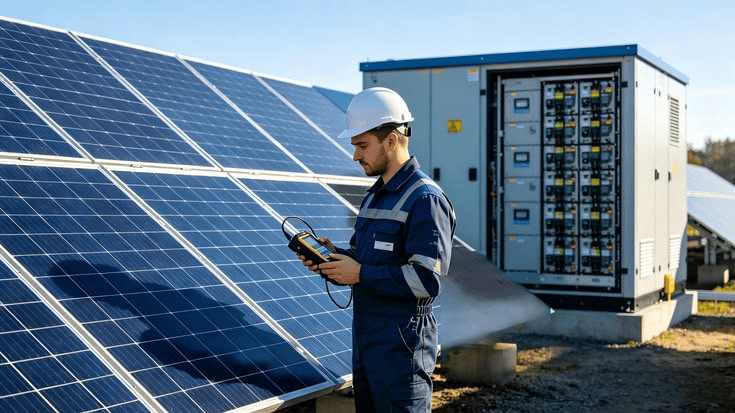
- Thermal imaging on panels and high-load equipment — catches overheating connections before they become visible or smell like a problem.
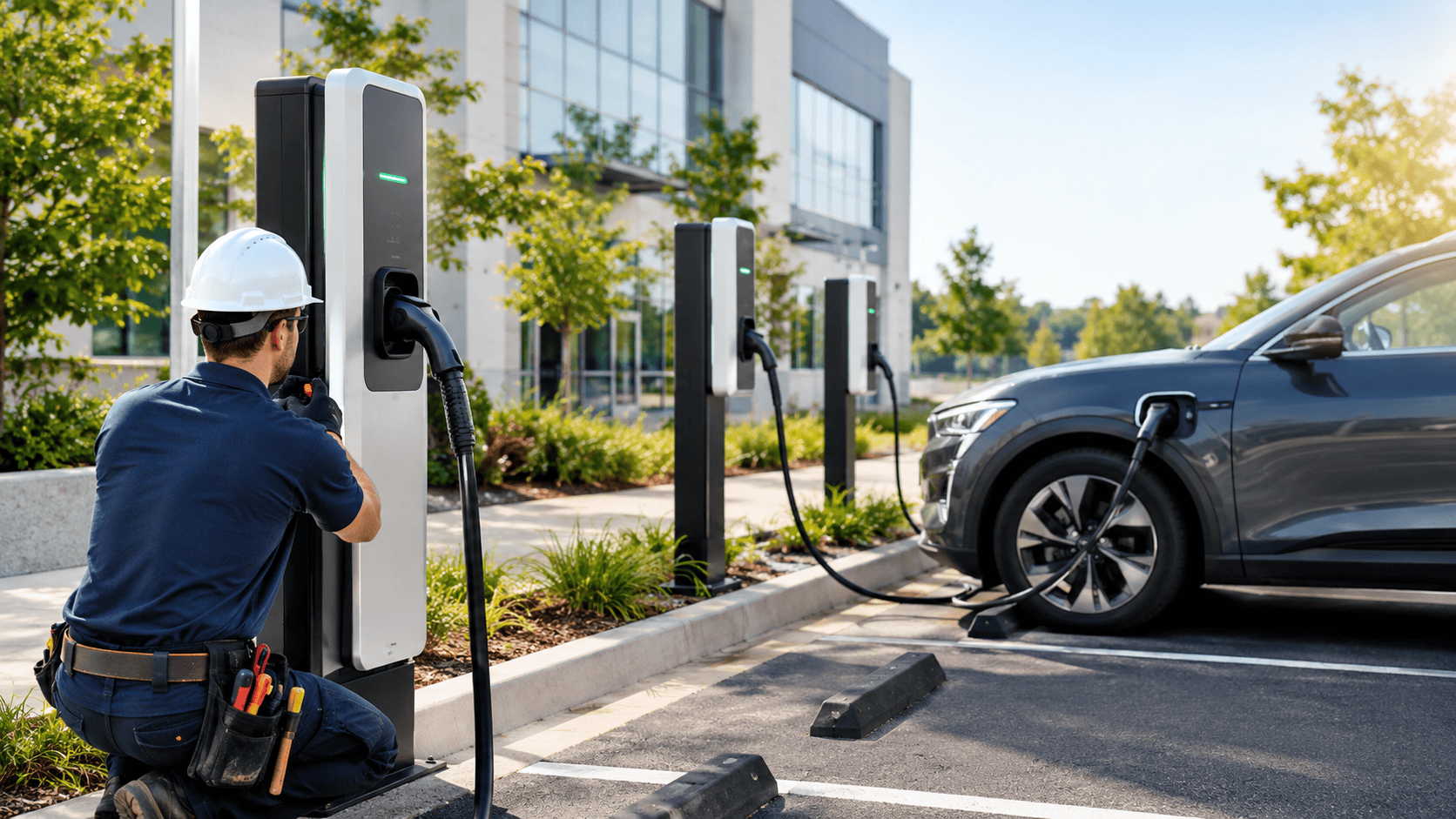
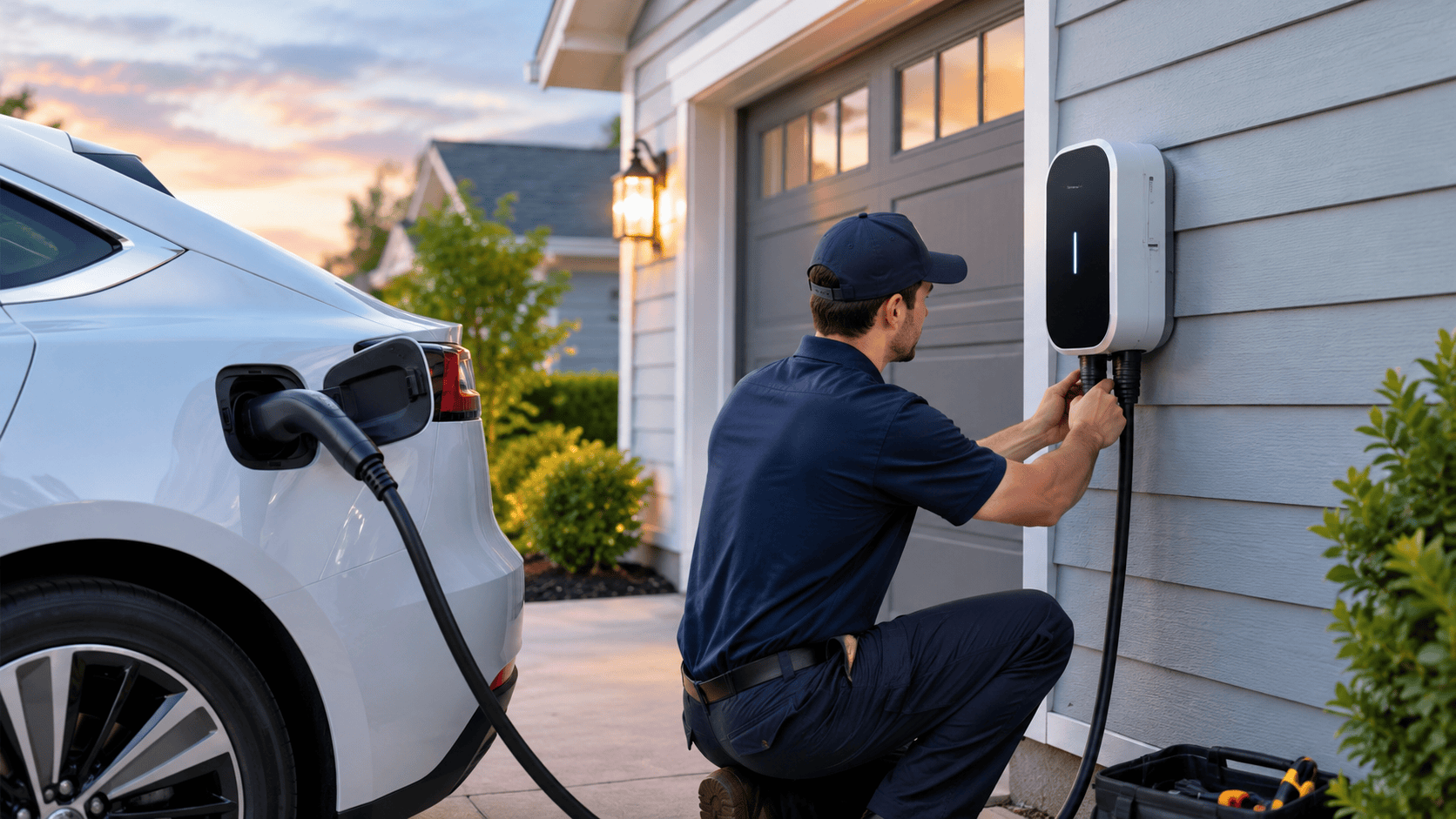
- Load capacity review — if tenants have added equipment (server racks, kitchen equipment, EV chargers) since the last inspection, confirm the building's electrical capacity still supports it.
- Documentation review — make sure permits and inspection records for any past electrical work are on file, not just assumed to exist.
How Often Each Task Should Happen
| Task | Frequency |
| GFCI/AFCI outlet testing | Quarterly |
| Exit sign and emergency lighting | Monthly (self-check), Annually (professional) |
| Exterior/pole lighting | Quarterly |
| Panel and breaker inspection | Annually |
| Generator testing | Monthly (self-test), Annually (professional service) |
| Thermal imaging | Annually |
| Full electrical system inspection | Annually, or after any major tenant buildout |
Red Flags That Need Immediate Attention — Not the Next Scheduled Visit
- Flickering lights that aren't tied to a simple bulb issue
- A persistent burning smell near outlets or the panel
- Outlets or switch plates that feel warm to the touch
- Breakers that trip repeatedly, especially the same one
- Buzzing or humming sounds from the panel
- Visible scorch marks around outlets or panels
Any one of these is a call-now situation, not a "put it on the list for next quarter" situation.
Frequently Asked Questions
How often should commercial electrical systems be inspected?
At minimum, once a year for a full inspection, with more frequent checks on high-use items like GFCI outlets and exterior lighting. Older buildings or properties with heavy equipment use should be inspected more often.
Who's liable for electrical issues in a leased commercial space?
This depends on the lease terms, but property owners and managers generally carry responsibility for base building systems, including the electrical infrastructure, unless the lease specifically shifts that to the tenant. Either way, documented maintenance protects whoever is responsible.
Does exterior and parking lot lighting really need regular maintenance?
Yes—beyond the safety and visibility issue, most municipalities have code requirements for adequate lighting in commercial parking areas, and it's a common item flagged during property inspections.
What's the difference between routine maintenance and an electrical safety inspection?
Routine maintenance covers the checklist items above on a recurring schedule. A safety inspection is typically a more thorough, code-focused review often required for insurance renewals, property sales, or after a significant tenant change.
Managing a commercial property in Maryland or Virginia? Got Electric provides ongoing Commercial Electrician Services, from panel inspections to pole light maintenance, built around a schedule that fits your building. Get in touch to set up a maintenance plan.
With offices in Ijamsville, MD & Linville, VA, Got Electric offers residential and commercial electric work, including installation, safety inspections, repairs, lighting design, and troubleshooting.
Got Electric also specializes in solar Energy Projects. Our electricians are fully licensed by state and local jurisdiction, ensuring that your electrical projects will be installed to industry and code standards.
Energized by Auxilium Technology