
Commercial solar installation cuts business energy costs by producing electricity right at your building, which means you buy less from the grid. Whatever your panels generate during working hours is power the utility never gets to bill you for. Over time, that can bring monthly bills down and make your energy spending easier to predict. Your actual savings will depend on how much power you use, the size of the system, and how you finance it.
Table of Contents
For a lot of Maryland businesses, electricity is one of the biggest bills that comes around every month. Knowing how solar works, what drives the price, and who needs to be involved will help you decide whether it makes sense for your building and your budget.
How Commercial Solar Panels Generate Electricity for Businesses
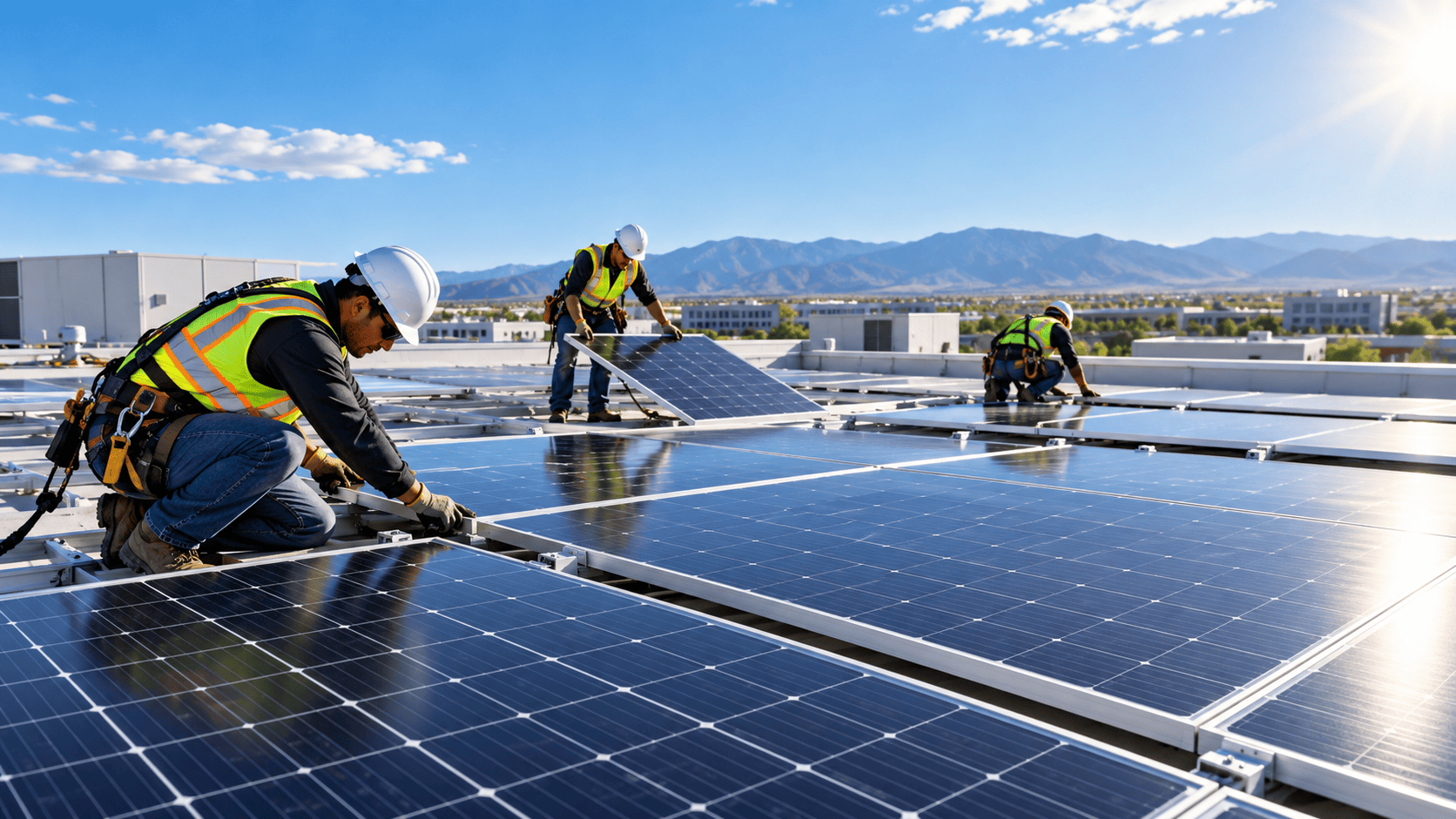
Solar panels are made up of photovoltaic cells that turn sunlight into direct current (DC) electricity. An inverter then converts that into alternating current (AC), the type of power your lights, HVAC, refrigeration, and machinery run on. Your building uses the power first, and any extra can usually flow back to the grid, depending on your utility’s rules.
Most commercial systems are made up of:
- Solar panels installed on a roof, carport, or ground mount
- One or more inverters
- Racking and mounting hardware
- Wiring, disconnects, and protective electrical equipment
- A utility-approved meter and a monitoring system
Five Ways Commercial Solar Installation Can Lower Operating Expenses
The benefits of solar installation go beyond a smaller monthly bill. Picture a business that’s open from 8 a.m. to 6 p.m. on weekdays. Panels produce the most power around midday, so much of that output gets used while the doors are open, and that’s power the business doesn’t have to buy.
Here are five ways commercial solar installation can lower operating expenses:
- Fewer electricity purchases: Power made on-site replaces some of what you’d otherwise draw from the grid.
- Less exposure to rate hikes: The electricity you generate isn’t affected by future utility price increases.
- Possible demand charge relief: In some cases, solar can help reduce peak demand, depending on your rate structure and how you use power.
- Tax benefits and incentives: Federal, state, and local programs may lower the net cost of a system, depending on current rules and eligibility.
- Low ongoing costs: There’s no fuel to buy and maintenance is usually modest, though inverters and other components may need replacing down the road.
Factors That Affect Commercial Solar Installation Costs
No two commercial solar projects cost the same. The price comes down to the size of the system, how involved the installation is, and what your property needs before the panels can go up. Your actual savings and payback period will depend on your energy use, system size, installation costs, utility rates, financing, maintenance, and any policies or incentives that apply.
Key cost factors include:
- System size and total energy production capacity
- Panel and inverter quality
- Roof type, mounting method, and structural needs
- Electrical upgrades to panels, wiring, or service equipment
- Permitting, engineering, and utility interconnection fees
- Financing method, such as cash purchase, loan, or lease
How Roof Condition, Available Space, and Energy Consumption Influence System Design
A good solar design starts with your building. The roof has to be structurally sound and in good enough shape to last as long as the panels, which commonly operate for decades. Installing solar on a roof that needs replacement soon can mean paying to remove and reinstall the panels later.
Available space also sets limits. Shading from trees or nearby buildings, roof obstructions like vents and HVAC units, and orientation all affect output. Finally, your energy consumption determines the right system size: the goal is to match production to how your business actually uses power, not simply to fill every available square foot.
Things to review before design begins:
- Roof age, material, and remaining lifespan
- Usable roof, carport, or ground area
- Shading throughout the day and across seasons
- Twelve months of utility bills showing usage patterns
- Plans for expansion or new equipment that could change load
The Role of Utility Rates, Net Metering Policies, and Available Incentives
Solar savings are tied to what you currently pay the utility. Higher rates generally mean each kilowatt-hour you produce is worth more. Net metering policies, which credit customers for excess power sent back to the grid, also influence how much value a system delivers.
Because utility tariffs, net metering rules, and incentive programs can change, they should be verified at the time of planning. Check current terms with your utility and with state and federal program sources rather than relying on older figures.
Worth confirming:
- Your current rate schedule and any demand charges
- How your utility handles excess generation credits
- Current federal tax incentives and Maryland programs
- Whether your business qualifies for them
TWhy Professional Installation and Electrical Safety Matter
Solar is an electrical system connected to your building’s wiring and to the utility grid. Poor wiring, incorrect grounding, or undersized components can create fire risks, reduce performance, or cause code and inspection problems. Professional installation helps ensure the system meets electrical codes, passes inspection, and operates safely.
Experienced electrical contractors like Got Electric, LLC understand how a solar array interacts with a building’s existing electrical service, which is why electrical expertise is central to a safe installation.
Safety and quality considerations include:
- Proper grounding and overcurrent protection
- Code-compliant wiring and disconnects
- Permit and inspection compliance
- Correct inverter sizing and placement
- Structural review for roof load
How to Choose Reliable Commercial Solar Installation Services in Maryland
Choosing among Commercial Solar Installation Services in Maryland comes down to experience, transparency, and fit for your property. Ask for references, request detailed written proposals, and compare more than price.
Questions to ask any provider:
- Are you licensed to do electrical work in Maryland?
- Have you completed commercial projects similar to mine?
- What equipment and warranties are included?
- Who handles permits and utility interconnection?
- What does ongoing maintenance and monitoring involve?
When Businesses Should Consult Commercial Electricians in Maryland
It makes sense to bring in Commercial Electricians in Maryland early, ideally before you collect final bids. An electrician can assess whether your service panel, wiring, and load can support solar, and flag upgrades that might affect your budget. This is especially important for older buildings or facilities planning to add equipment.
Good times to consult an electrician:
- Before finalizing a system design or budget
- If your electrical panel is old or near capacity
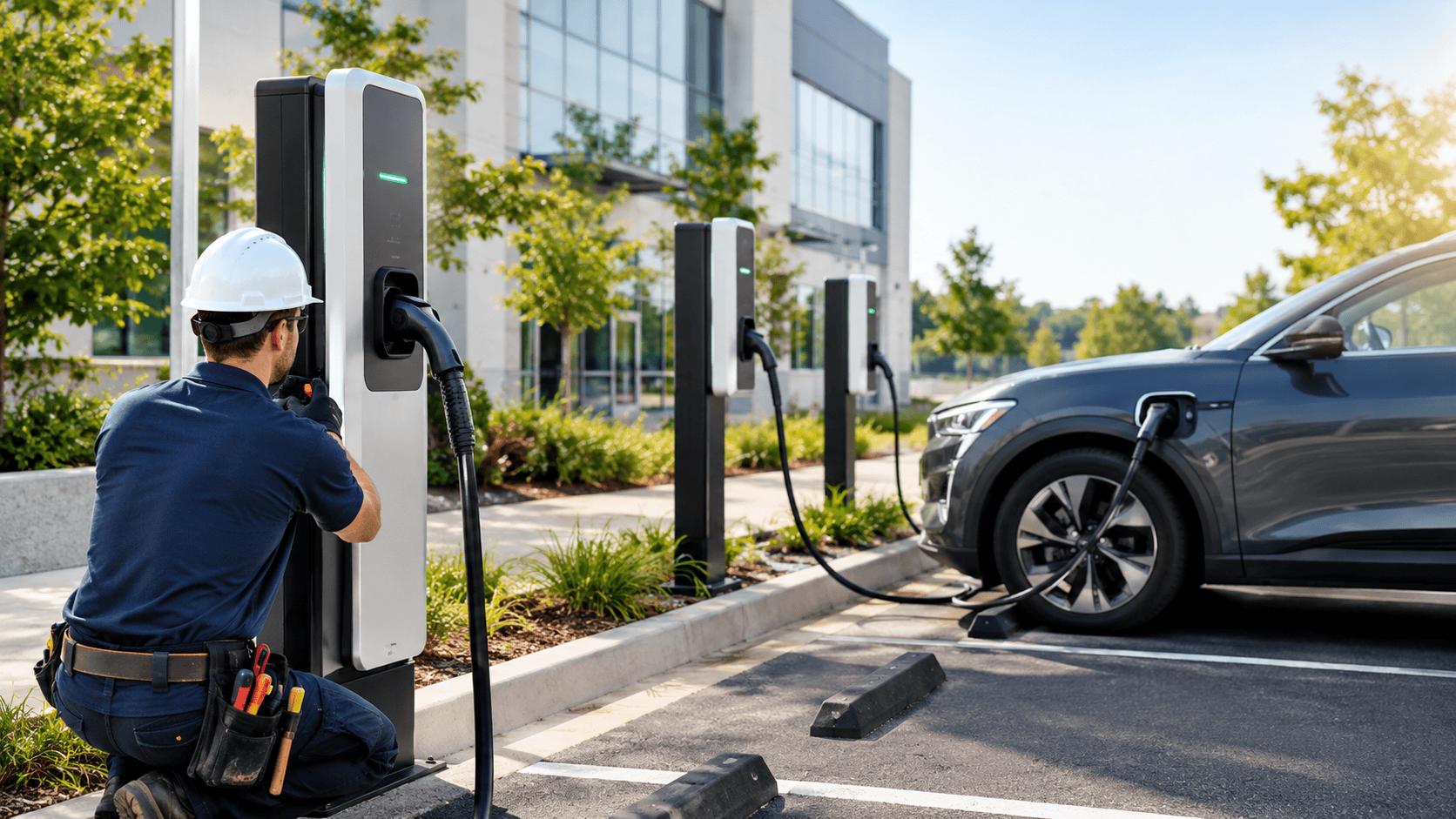
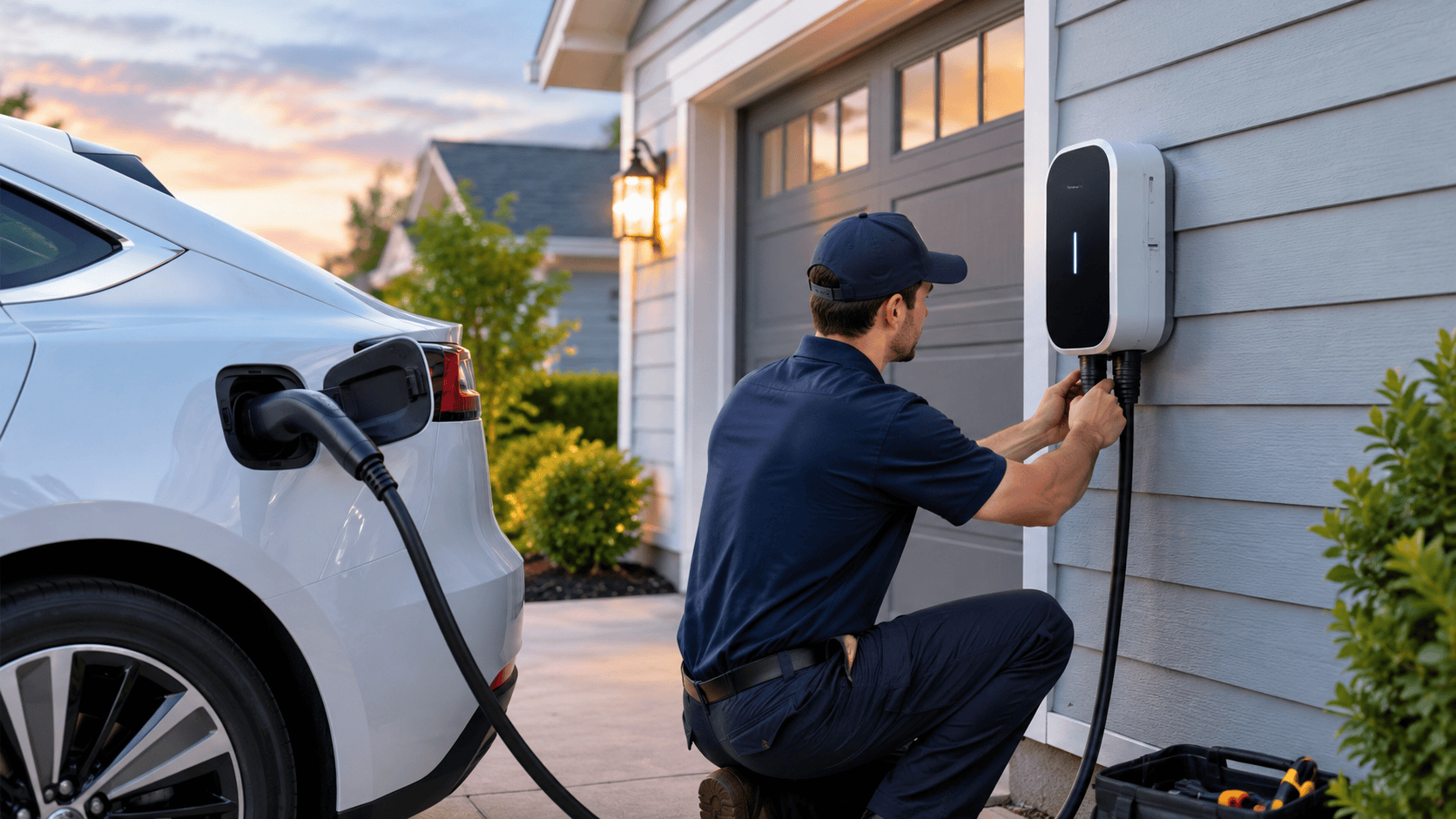
- When adding EV charging, new machinery, or building expansions
- If you’re unsure whether your wiring meets current code
Conclusion
Solar won’t cut every business’s power bill by the same amount, but for many Maryland properties it can take a real bite out of what they pay the utility. When your panels produce power while your lights, HVAC, and equipment are running, that’s electricity you don’t have to buy.
The final numbers depend on your building, how you use energy, and the incentives available when you move forward. Before you commit, get a clear look at your roof, your electrical system, and a full year of utility bills. If you want a team that understands the electrical side of the job, Got Electric, LLC is a good place to start the conversation.
Frequently Asked Questions
How does commercial solar installation reduce business energy costs?
Your panels generate power on-site, so you draw less from the grid and pay the utility less each month. Got Electric, LLC can help you work out how a system would match the way your business uses electricity.
What factors affect the cost of commercial solar installation in Maryland?
The biggest ones are system size, the condition of your roof, any electrical upgrades, permits, and how you finance the project. A site visit from Got Electric, LLC can show you which of these apply to your building.
Why should businesses consult Commercial Electricians in Maryland before installing solar panels?
Your wiring and service panel need to handle the added system safely, and older buildings often need updates first. Talking to Got Electric, LLC early can help you catch those issues before they turn into surprise costs.
Is commercial solar installation a worthwhile investment for Maryland businesses?
Yes, a properly sized whole-home generator can power many or all household systems, depending on its capacity and your home’s electrical demand.
Will my building’s electrical system support commercial EV charging stations?
For many, yes, but it depends on your energy use, utility rates, and available incentives. It’s smart to run your own numbers with a provider like Got Electric, LLC before deciding.
With offices in Ijamsville, MD & Linville, VA, Got Electric offers residential and commercial electric work, including installation, safety inspections, repairs, lighting design, and troubleshooting.
Got Electric also specializes in solar Energy Projects. Our electricians are fully licensed by state and local jurisdiction, ensuring that your electrical projects will be installed to industry and code standards.
Energized by Auxilium Technology