While your electrical system is functioning as it should, it is operating in the background without any sounds. When your electrical system is operating properly, it is silent. Unless something has broken or is smoking, most people don't pay any attention to outlets, wiring, or the breaker panel. However, a problem with electricity doesn't just happen randomly. They are typically the first to alert you to warnings.
Table of Contents
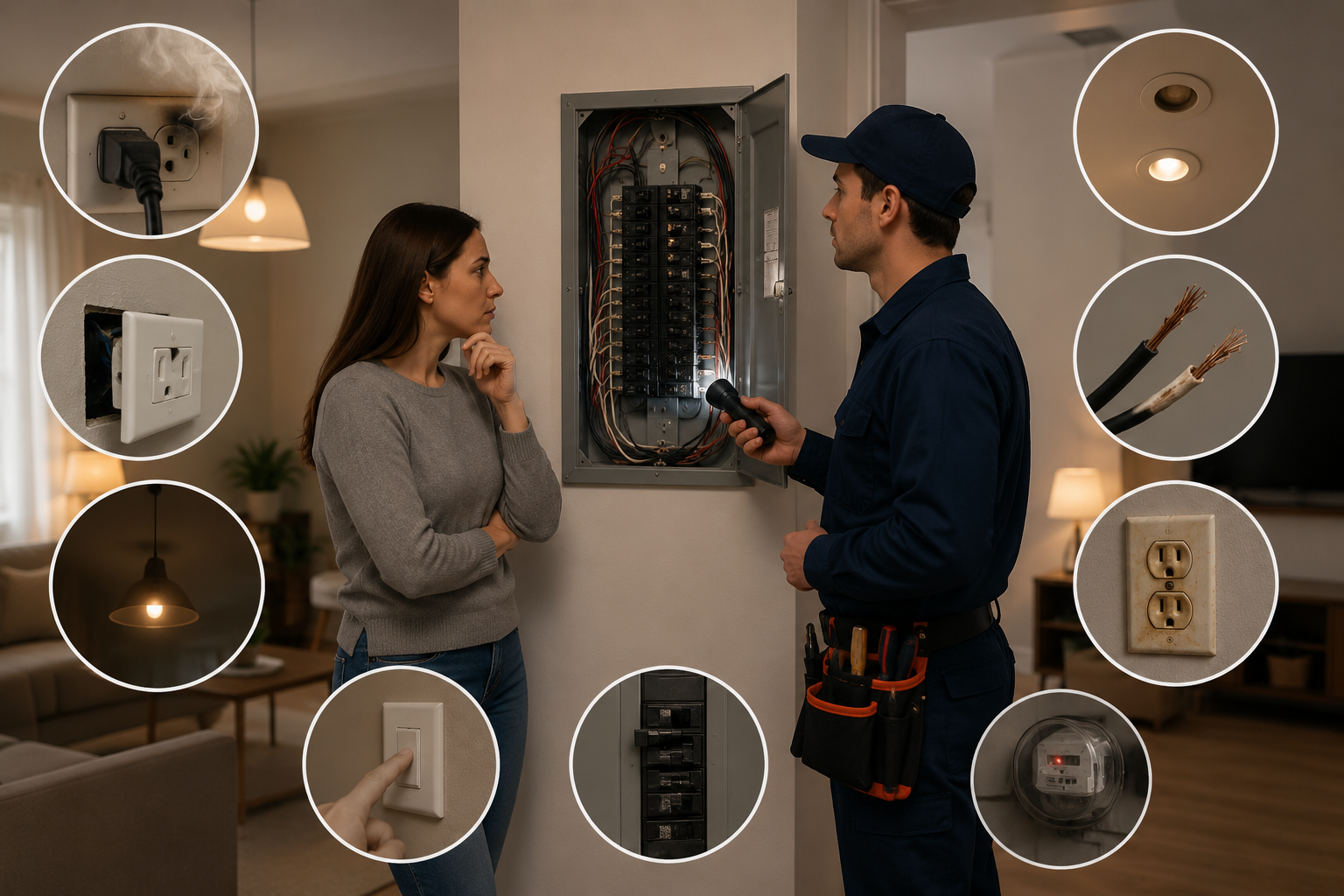
If you're aware of these signs, you'll save some money, protect your home, and most importantly, keep your family safe. Here are 10 distinct signs to look for that you need to call in a professional electrical service rather than wait or go it alone:
1. Flickering or Dimming Lights
If your lights flicker or dim when you turn on the microwave, run the AC, or use a hairdryer, that's not just an annoyance. It usually means:
- Your circuits are overloaded and struggling to share power
- Wiring connections are loose somewhere in the system
- Your electrical panel isn't sized correctly for your home's current needs
Occasional flickering during a storm is normal. Flickering that happens every day, in the same rooms, is not. A professional electrician can test the circuit and panel to find the actual cause instead of just replacing bulbs.
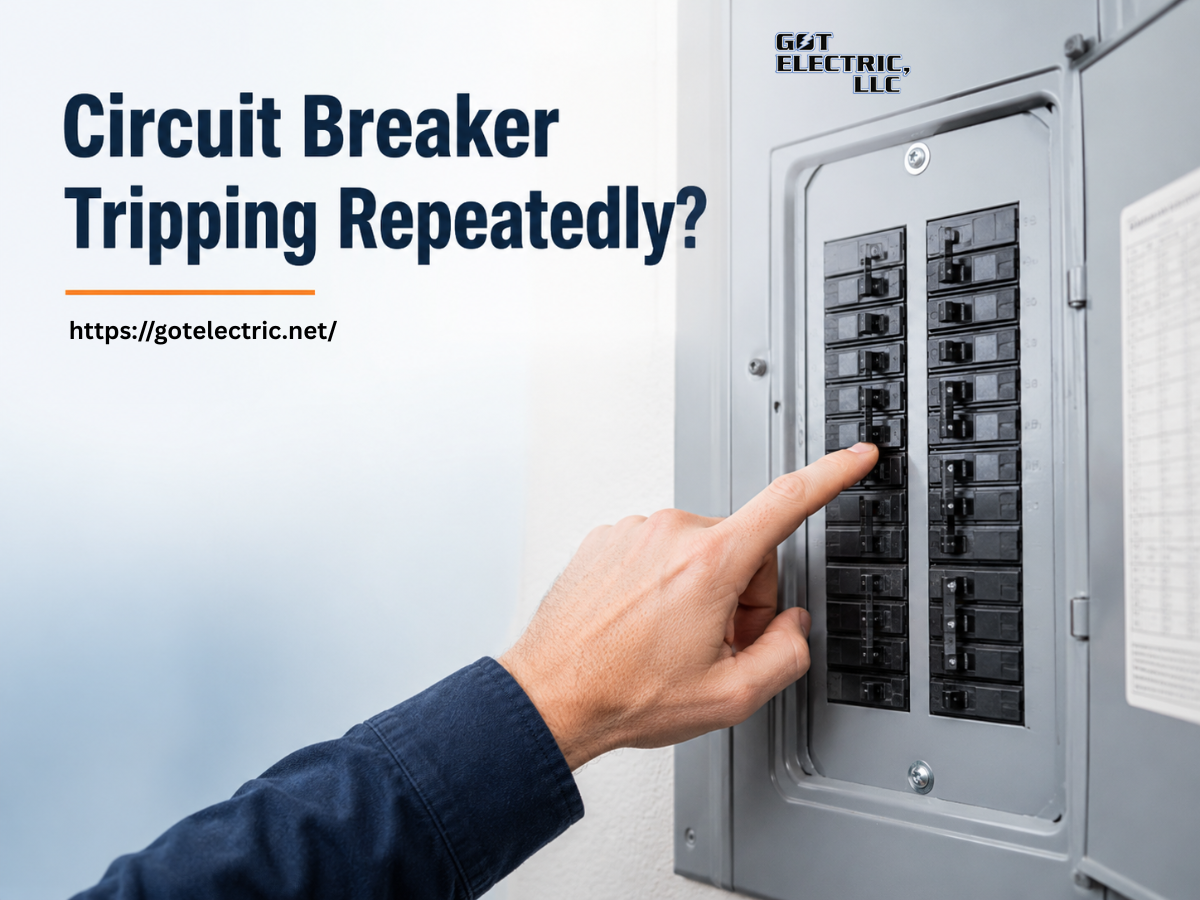
2. Frequent Circuit Breaker Trips
The safety mechanism of your breaker is to trip when it detects excessive electrical load; it is not a fault. However, if it continues to blow out frequently, particularly if you are not doing anything unusual, it is indicating a problem.
Common causes include:
- An overloaded circuit that's carrying more devices than it was built for
- A short circuit somewhere in the wiring
- An aging or failing breaker itself
Resetting the breaker again and again is not a fix. It's a workaround, and workarounds don't last. If this keeps happening, it's time for a professional electrical inspection.
3. Burning Smell or Discolored Outlets
This is one of the most serious signs on this list, and it should never be ignored.
- A burning or "hot plastic" smell near an outlet or switch means wiring is overheating
- Scorch marks, discoloration, or a warm-to-the-touch outlet cover points to the same issue
- Both can lead to an electrical fire if left unaddressed
If you notice either of these, stop using that outlet immediately and call a licensed electrician. This is not a wait-and-see situation.
4. Buzzing or Crackling Sounds
Electricity should be silent. If you hear buzzing, crackling, or humming coming from an outlet, switch, or your breaker panel, something is not right. These sounds are often caused by:
- Loose wiring connections arcing against each other
- Outdated or damaged outlets and switches
- Circuit breakers that are wearing out
Sound-based warnings are easy to dismiss because they don't always come with an obvious cause. But arcing electricity is one of the leading causes of house fires, so this deserves a same-week call to a professional, not a "we'll deal with it later."
5. Outlets That Are Warm or Sparking
Touch an outlet cover, and it should feel completely neutral, not warm, not hot. If an outlet feels warm, or if you see a spark when you plug something in, this points to the following:
- Damaged internal wiring
- A loose connection inside the outlet box
- An outlet that's carrying more current than it's rated for
A single small spark on rare occasions (like static) isn't automatically a crisis. Repeated sparking, or any warmth, is a sign that the outlet needs to be inspected and likely replaced by a professional electrical service.
6. An Outdated Electrical Panel
Your home could have a fuse box (or an electrical panel that's over 20-25 years old) that is not designed to supply enough electrical current for the electrical needs of modern homes. Back then, there were no central air conditioners, several TV sets, computers, or EV charging stations in each home.
Signs your panel may be outdated:
- It's a fuse box instead of a circuit breaker panel
- The brand is Federal Pacific or Zinsco (both known for safety issues)
- You're constantly running out of open breaker slots
- It can't support new additions like a generator or EV charger
A panel upgrade isn't just about convenience; it's about making sure your electrical system can safely carry the load your household actually needs.
7. Planning an Addition, Renovation, or New Appliance Installation
A new room, finished basement, hot tub installation, or charging station for your electric vehicle all of these renovations require more from your home’s electrical system. It is advisable to have a qualified electrician evaluate the capabilities of your existing electrical infrastructure before undertaking any renovation work.
This matters especially for:
- EV chargers – these require a dedicated circuit and often a panel with enough spare capacity
- Home additions – new square footage means new outlets, lighting, and circuits
- Kitchen or bathroom remodels – these rooms have specific code requirements for outlet placement and GFCI protection
Skipping this step is one of the most common (and expensive) mistakes homeowners make during renovations.
8. You Don’t Have Enough Outlets or You’re Using a Lot of Extension Cords
When you find all your outlets in one room being connected to a power strip through extension cords reaching into other rooms in your house, then you can be sure that you have too few outlets in your home for your needs.
Extension cords are meant to be temporary. Long-term reliance on them can lead to:
- Overloaded circuits
- Tripping hazards
- Increased fire risk, especially with older or damaged cords
A professional electrician can add outlets exactly where you need them, which is a far safer long-term solution than running cords across the floor.
9. Frequent Electrical Shocks When Touching Switches or Appliances
A mild static shock now and then, especially in winter, is normal. A shock every time you touch a specific switch, appliance, or outlet is not normal. This usually points to:
- A grounding problem somewhere in your electrical system
- Faulty wiring inside a wall or appliance
- A wiring issue at the outlet or switch itself
Grounding issues aren't something to guess about. Searching for a licensed electrician near me and having a professional electrical service test your system will confirm exactly where the problem is coming from.
10. Your Home Has No GFCI or AFCI Protection
These are the ones that have the “test” and “reset” switches and are usually found in kitchens, bathrooms, garages, and outdoors; they are referred to as GFCI (Ground Fault Circuit Interrupter) outlets. AFCI (Arc Fault Circuit Interrupter) circuit breakers are meant to detect any faulty wiring that could cause fires.
The home may lack proper installation of electrical safety components in appropriate places such as wet rooms and bedrooms. This happens in many old houses which have not undergone renovation.
- GFCI protection prevents electric shock in areas near water
- AFCI protection prevents fires caused by damaged or arcing wires
- Both are inexpensive to install compared to the risk they prevent
A licensed electrician can walk through your home and tell you exactly where these protections are missing.
Why DIY Electrical Fixes Are a Risk Not Worth Taking
When faced with electrical problems, it may be very appealing to look for YouTube videos and fix them on your own. However, when it comes to electricity, one cannot underestimate the potential dangers of such work.
- Safety – incorrect wiring can cause shock, fire, or long-term damage that isn't visible right away
- Code compliance – unpermitted electrical work can cause problems when selling your home or filing an insurance claim
- Hidden problems – a surface-level fix often doesn't address the actual cause, which means the issue comes back
Professional electricians are trained to diagnose the root cause, not just patch the symptom. That difference is exactly what separates a lasting fix from a temporary one.
Frequently Asked Questions
How do I know if I need a professional electrical service or just a handyman?
If the issue involves your breaker panel, wiring inside walls, or anything connected to your main power supply, you need a licensed electrician, not a handyman. Handymen aren't legally permitted to do most electrical work, and mistakes here can cause fires or void your home insurance.
Is it normal for a breaker to trip once in a while?
Yes. A single trip when you're running several high-power devices at once (like a microwave and a space heater on the same circuit) is normal. Repeated trips on the same breaker, especially without an obvious cause, are not normal and need to be checked.
How much does professional electrical service usually cost?
Cost depends on the issue. Minor repairs like outlet replacement are inexpensive, while panel upgrades or rewiring cost more. Most licensed electricians, including Got Electric, offer free phone estimates so you know the cost range before committing.
Can I wait until the weekend to fix a minor electrical issue?
It depends on the sign. Flickering lights or a few extension cords can usually wait a few days for a scheduled appointment. A burning smell, sparking outlet, or warm outlet cover should not wait call an electrician immediately, even if it means an emergency visit.
How often should I get my home’s electrical system inspected?
For most homes, every 3-5 years is reasonable. If your home is older than 25 years, has a fuse box, or you're planning a renovation, get it inspected sooner rather than on a fixed schedule.
Do I need a permit for electrical work done on my home?
In most cases, yes, especially for panel upgrades, rewiring, or new circuits. A licensed electrician will handle the permit process for you. Unpermitted work can create problems later when selling the home or filing an insurance claim.
When to Call a Professional Electrical Service
The right time to call a licensed electrician is when you see any of the above 10 signs and not when the issue gets worse. Electrical problems do not just resolve themselves, and minor problems today can lead to costly repairs or safety hazards down the road.
With more than 50 years of combined experience, Got Electric, LLC is the electric company property owners across Maryland, the DC metro area, and Virginia trust for their electrical needs. We offer a range of electrical services such as breaker panel upgrades and rewires, electric vehicle charger installation, and home electrical system inspections.
If you've spotted any of the warning signs above, don't wait for a bigger problem. Contact Got Electric today.
Our estimates, appointments, and parts are all free, prepared with your time in mind, and our workmanship and parts are all covered by a warranty of one year. A safe home starts with a safe electrical system, one you can trust.
With offices in Ijamsville, MD & Linville, VA, Got Electric offers residential and commercial electric work, including installation, safety inspections, repairs, lighting design, and troubleshooting.
Got Electric also specializes in solar Energy Projects. Our electricians are fully licensed by state and local jurisdiction, ensuring that your electrical projects will be installed to industry and code standards.
Energized by Auxilium Technology