Electric vehicles (EVs) have swiftly shaped the automobile industry. With electric vehicles becoming more popular, the convenience of charging stations is also on the rise. EVs are convenient and Ecofriendly but proper charging practices are critical to ensure an accident-free and safe vehicle and your safety as well. If you’ve just bought your first EV or run a business looking for a commercial EV charger, the safety regulations matter.
This guide outlines helpful tips and advice for charging at EV chargers for effective and safe charging of your vehicle.
Why EV Charging Safety Matters?
The batteries of EVs have hundreds of volts stored in them. Improper handling and charging results in electrical hazard damage, your vehicle being damaged, or a fire. Also, public electric charging stations aren’t just for you; unsafe practices can harm others.
Following the rules that keep everybody safe will not only help you keep your vehicle safe but also others. Especially critical for businesses installing commercial EV chargers, which increases liability issues.
EV Charging Safety Do’s
1. Read Your EV and Charger Manual
Every EV model and charger type has specific instructions. Always ensure safe operation by looking into the manufacturer recommendations from voltage limits.
2. Inspect Charging Equipment
Examine your EV cable and connector for damage before plugging-in. Look for frayed wires, bent pins, or loose connectors. Make sure to use only approved charging stations.
3. Use Certified Chargers
Always choose chargers certified by recognized authorities. If organisations invest in a commercial EV charger that meets industry safety standards, it mitigates risk while also ensuring reliability.
4. Keep the Area Dry and Clean
Do not charge your electric vehicle in wet or damp conditions unless both the EV and charger are rated for outdoor use. Water and electricity are a dangerous combination. Make sure no loose debris, oil or combustible materials are around.
5. Plug and Unplug Safely
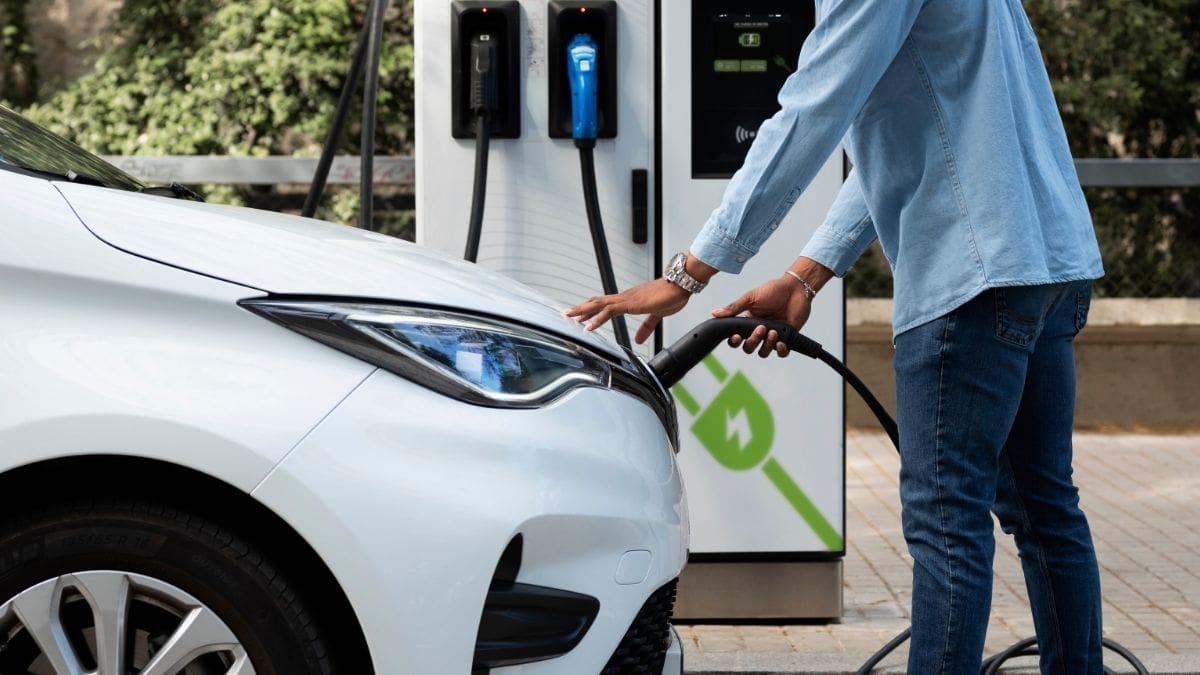
Make sure the connector is plugged completely into the charging port, do not force. When disconnecting, always pull the plug, not the cable. Faulty connectors or cables can create a dangerous electrical hazard.
6. Monitor Charging Progress
Most electric vehicles and public chargers will have an app or display screen that will monitor the charging. Monitor the session attentively. If you observe any abnormal heat, sparks, or unusual behavior, stop the charging without delay and inform the station operator.
7. Install Surge Protection at Home
Surge protection at home affects the charging. Install surge protection if you use home charging for your EV. If you live in the thunderstorm-prone areas, it is very important.
8. Maintain Your EV Battery
Follow manufacturer recommendations for battery health. Excessive charging or charging on extreme temperature could cause loss in battery life and rare unsafe circumstances.
EV Charging Safety Don’ts
1. Don’t Use Damaged Equipment
Never try to charge with broken cables, cracked plugs or faulty chargers. Doing so can cause electrical shorts or fire hazards.
2. Don’t Charge in Unsafe Environment
Do not charge in puddles, within 1m of anything flammable or in very dusty areas. Charging stations for electric cars that are certified can be dangerous based on the surroundings.
3. Don’t Ignore Warning Signs
Never ignore alarms, error messages or unusual heat. If your EV or charger shows any abnormal behaviours, stop charging immediately.
4. Don’t Modify Chargers or Connectors
Steer clear of modifying EV cables, connectors or the charging port yourself. It is important to contact trained electricians for maintenance or repair work.
5. Don’t Leave Chargers Unattended for Long Periods
Although many new electric vehicles have an automatic shutoff feature, it is still unsafe to leave a charger running for days unattended. Especially at busy roadside electric charging stations.
6. Don’t Overload Electrical Circuits
Make sure to use a circuit that can handle the load. Overloading can trip breakers or, worse, cause fires. Always follow the manufacturer’s guidelines.
Special Considerations for Commercial EV Chargers
Businesses must observe additional safety regulations when installing EV chargers:
-
Commercial chargers should be installed by a qualified electrician. Using certain practices helps to ‘de-stress’ the system as well as the circuits.
-
Frequent maintenance inspections help prevent wear and tear. This is especially true in environments like shopping centres or office complexes.
-
Clear signage will instruct users on safe operations to limit our liability.
-
The chargers must be located in a lit and easily accessible place to prevent accidents.
By making these safety strategies their first preference, businesses not only protect their assets but also enhance customer confidence in using the EV facility.
Conclusion
The future of transport is electrical vehicles and safe charging practice can help maximize the benefits of electric vehicles. It is always best to follow proper rules and regulations regarding safety when carrying out residential charging or installing a commercial EV charger. This will protect your vehicle, property and the community at large.
Specialist installation and expert advice for the ultimate EV charging experience, from a selection of reputable suppliers like GotElectric is now available. With these best practices, EV owners and businesses can enjoy electric mobility’s convenience and sustainability with less hassle.
FAQs
1. Are electric charging stations safe to use in all weather?
Though most modern stations are designed for the outdoors, it’s best not to charge them while it is raining heavily or there is flooding. Always follow the manufacturer’s safety recommendations.
2. Can I use any charger for my EV?
No. Always use chargers compatible with your EV model. Experts recommend certified electric charging stations or a commercial EV charger installed professionally.
3. How do I know if my charger is functioning correctly?
Look for visible damage, an error message on the charger display, and excessive heat. We recommend regular maintenance by a certified electrician.
4. Can I install a commercial EV charger myself?
No. Commercial EV chargers necessitate a professional installation in order to comply with safety and electrical codes. Improper installation can be hazardous.
5. What should I do if my EV charger sparks or overheats?
Cease charging immediately, unplug the charger, call the charging station operator or a certified electrician. Do not attempt DIY repairs.
With offices in Ijamsville, MD & Linville, VA, Got Electric offers residential and commercial electric work, including installation, safety inspections, repairs, lighting design, and troubleshooting.
Got Electric also specializes in solar Energy Projects. Our electricians are fully licensed by state and local jurisdiction, ensuring that your electrical projects will be installed to industry and code standards.
Energized by Auxilium Technology