
Electric vehicles (EVs) are no longer a niche trend, they are becoming the new standard for transportation. As EV adoption continues to grow, the demand for reliable and efficient EV charging stations is rising rapidly. Whether you’re a homeowner considering an electric car charger for daily convenience or a business owner looking to attract EV-driving customers, understanding EV charging stations is essential.
Table of Contents
This guide breaks down everything you need to know about EV charging stations for homes and businesses, including types, benefits, installation considerations, and future trends.
Understanding EV Charging Stations
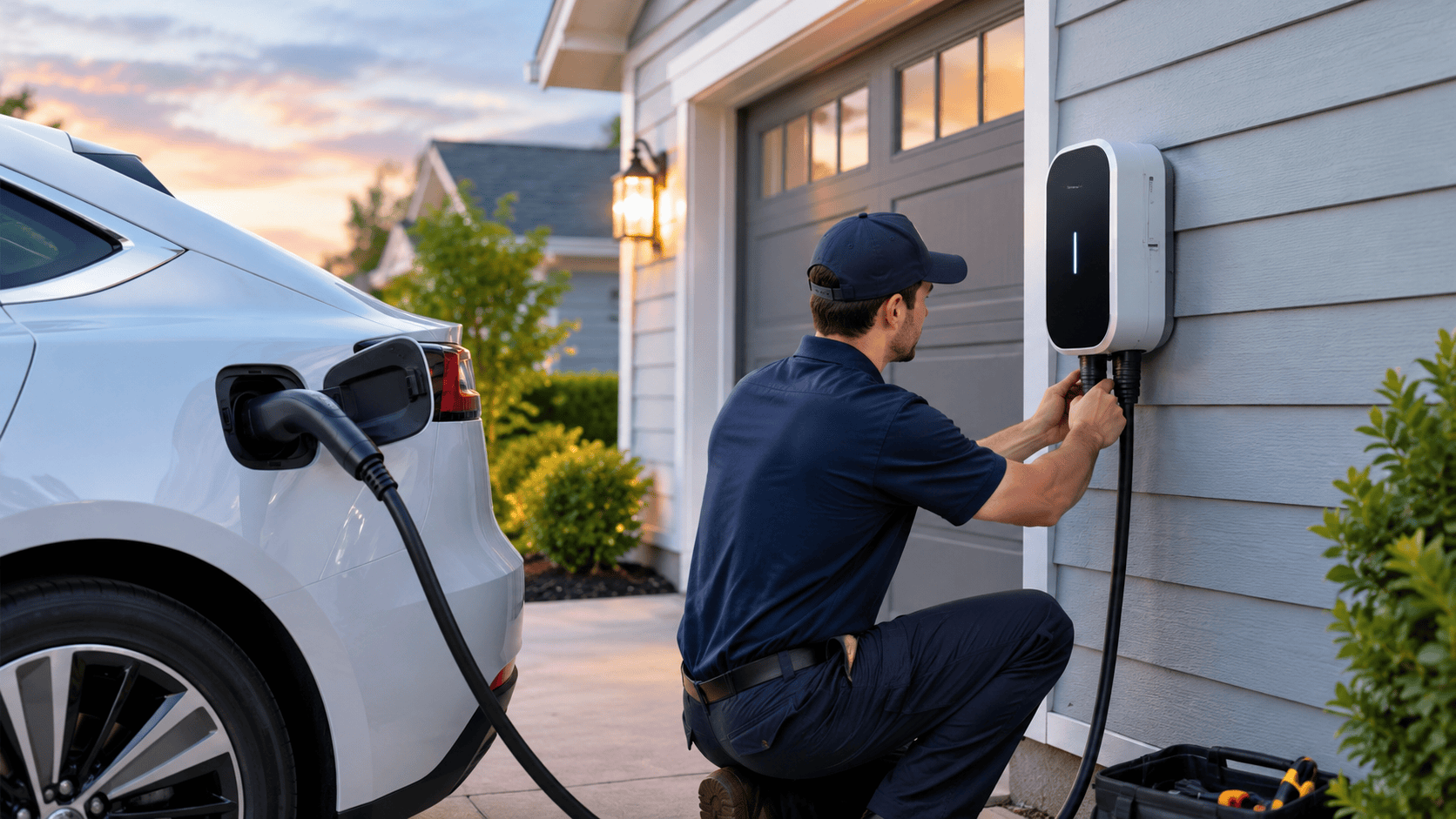
An EV charging station supplies electricity to recharge electric vehicles. While all EVs come with a basic charging option, most drivers quickly realize that installing a dedicated electric car charger at home or work offers faster charging, better safety, and greater convenience.
EV charging stations vary by power output, charging speed, and application. Choosing the right option depends on how often you drive, where you charge, and whether the charger is intended for personal or public use.
Types of EV Charging Stations
Level 1 Charging
Level 1 chargers use a standard 120V outlet and are typically included with most EVs. While easy to use, they are slow, often adding only 3-5 miles of range per hour. This option works best for drivers with very low daily mileage.
Level 2 Charging
Level 2 chargers are the most popular choice for homes and businesses. They operate on a 240V circuit and can charge an EV up to 6–10 times faster than Level 1. Most residential electric car charger installations fall into this category.
DC Fast Charging
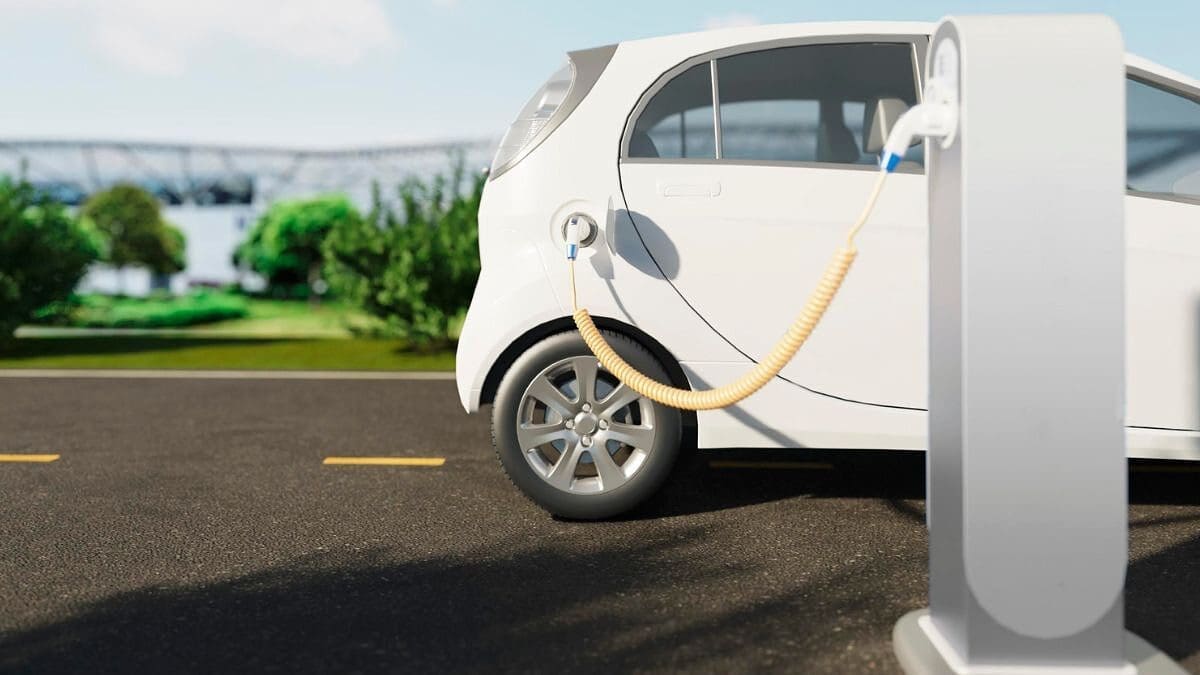
DC fast chargers are commonly found in commercial and public charging locations. They deliver rapid charging, often reaching 80% battery capacity in under an hour. These systems require significant electrical infrastructure and are best suited for businesses, fleet operators, and public charging networks.
Benefits of EV Charging Stations for Homes
Convenience and Time Savings
Having a home electric car charger means you can charge your vehicle overnight and wake up with a full battery, no trips to public stations required.
Cost Efficiency
Home charging is typically more affordable than public charging. Many utility providers offer off-peak electricity rates, allowing EV owners to save even more.
Increased Property Value
Homes with EV charging infrastructure are increasingly attractive to buyers. Installing a Level 2 charger can future-proof your property.
Safety and Reliability
Dedicated EV charging stations are safer than using extension cords or standard outlets, reducing the risk of overheating and electrical issues.
Benefits of EV Charging Stations for Businesses
Attract More Customers
Businesses that offer EV charging stand out. EV drivers often choose locations where they can charge while shopping, dining, or working.
Employee Satisfaction
Workplace charging is a valuable perk that supports employees who drive electric vehicles and promotes sustainability.
Employee Satisfaction
Workplace charging is a valuable perk that supports employees who drive electric vehicles and promotes sustainability.
Revenue Opportunities
Commercial EV charging stations can be monetized through pay-per-use models, membership plans, or partnerships with charging networks.
Sustainability & Brand Image
Installing EV charging stations demonstrates environmental responsibility and positions your business as forward-thinking and eco-conscious.
Key Installation Considerations
Electrical Capacity
Before installing an electric car charger, your electrical panel must be evaluated to ensure it can handle the additional load. Panel upgrades may be required for older properties.
Location & Accessibility
For homes, chargers are usually installed in garages or driveways. For businesses, placement should prioritize visibility, accessibility, and ADA compliance.
Permits & Codes
EV charger installations must meet local electrical codes and permitting requirements. Working with licensed professionals ensures compliance and safety.
Smart Charging Features
Many modern EV chargers include smart features such as mobile apps, scheduling, energy monitoring, and load balancing, ideal for both homes and businesses.
Cost of EV Charging Stations
The cost of an electric car charger varies based on charger type, installation complexity, and electrical upgrades.
- Residential Level 2 chargers: Moderate upfront cost with long-term savings
- Commercial installations: Higher investment but strong ROI through customer attraction and incentives
- Incentives & Rebates: Many regions offer tax credits, utility rebates, and grants that significantly reduce installation costs
The Future of EV Charging
The EV charging landscape is evolving quickly. Wireless charging, solar-powered stations, ultra-fast chargers, and vehicle-to-grid (V2G) technology are shaping the future. Businesses and homeowners who invest now are positioning themselves ahead of the curve as EV adoption accelerates worldwide.
Conclusion
EV charging stations are no longer optional, they are becoming essential infrastructure for modern homes and businesses. From convenience and cost savings to sustainability and competitive advantage, installing an electric car charger offers long-term benefits that extend well beyond today’s needs.
Whether you’re planning a residential installation or exploring commercial EV charging solutions, working with trusted professionals ensures safe, efficient, and future-ready results. When it comes to reliable electrical solutions and expert EV charger installations, Got Electric is a name you can count on to power your transition to electric mobility.
Frequently Asked Questions (FAQs)
1. What is the best electric car charger for home use?
A Level 2 charger is the best option for most homes, offering faster charging, safety, and long-term convenience.
2. How long does it take to charge an EV at home?
With a Level 2 charger, most EVs can be fully charged in 4–8 hours, depending on battery size.
3. Are EV charging stations expensive to install?
Costs vary, but incentives and rebates often reduce the overall investment. Residential installations are generally affordable.
4. Can businesses make money from EV charging stations?
Yes. Businesses can charge usage fees, attract more customers, and increase dwell time, boosting overall revenue.
5. Do EV charging stations require regular maintenance?
EV chargers require minimal maintenance, mainly routine inspections and software updates for smart chargers.
With offices in Ijamsville, MD & Linville, VA, Got Electric offers residential and commercial electric work, including installation, safety inspections, repairs, lighting design, and troubleshooting.
Got Electric also specializes in solar Energy Projects. Our electricians are fully licensed by state and local jurisdiction, ensuring that your electrical projects will be installed to industry and code standards.
Energized by Auxilium Technology