
Think about how many things in your house need power at any given moment. Lights, the fridge, the router, maybe a phone charging on the counter, and an EV in the driveway. None of that runs without a system behind the walls that most homeowners never think about until something goes wrong with it.
Table of Contents
That's really the value of working with a residential electrician. It's not just about fixing what's broken. It's about understanding what a home actually needs to run safely, day in and day out, and keeping it that way. For anyone weighing their options, Residential Electrician Services in Maryland typically cover a wide mix of work: troubleshooting, upgrades, backup power planning, and everything in between.
Why Modern Homes Need Professional Electrical Services
Houses built 20 or 30 years ago simply weren't designed for how much electricity today's households use. A panel that once handled a few lamps and a window unit is now expected to support:
- Multiple large appliances running at once
- Smart-home devices, cameras, and networking equipment
- Heating and cooling systems that cycle frequently
- EV charging equipment
- Home offices with multiple monitors and electronics
When a system is asked to do more than it was built for, something usually gives. That might show up as:
- Lights dimming when the AC or dryer kicks on
- Breakers tripping more often than they used to
- Outlets that feel warm or seem underpowered
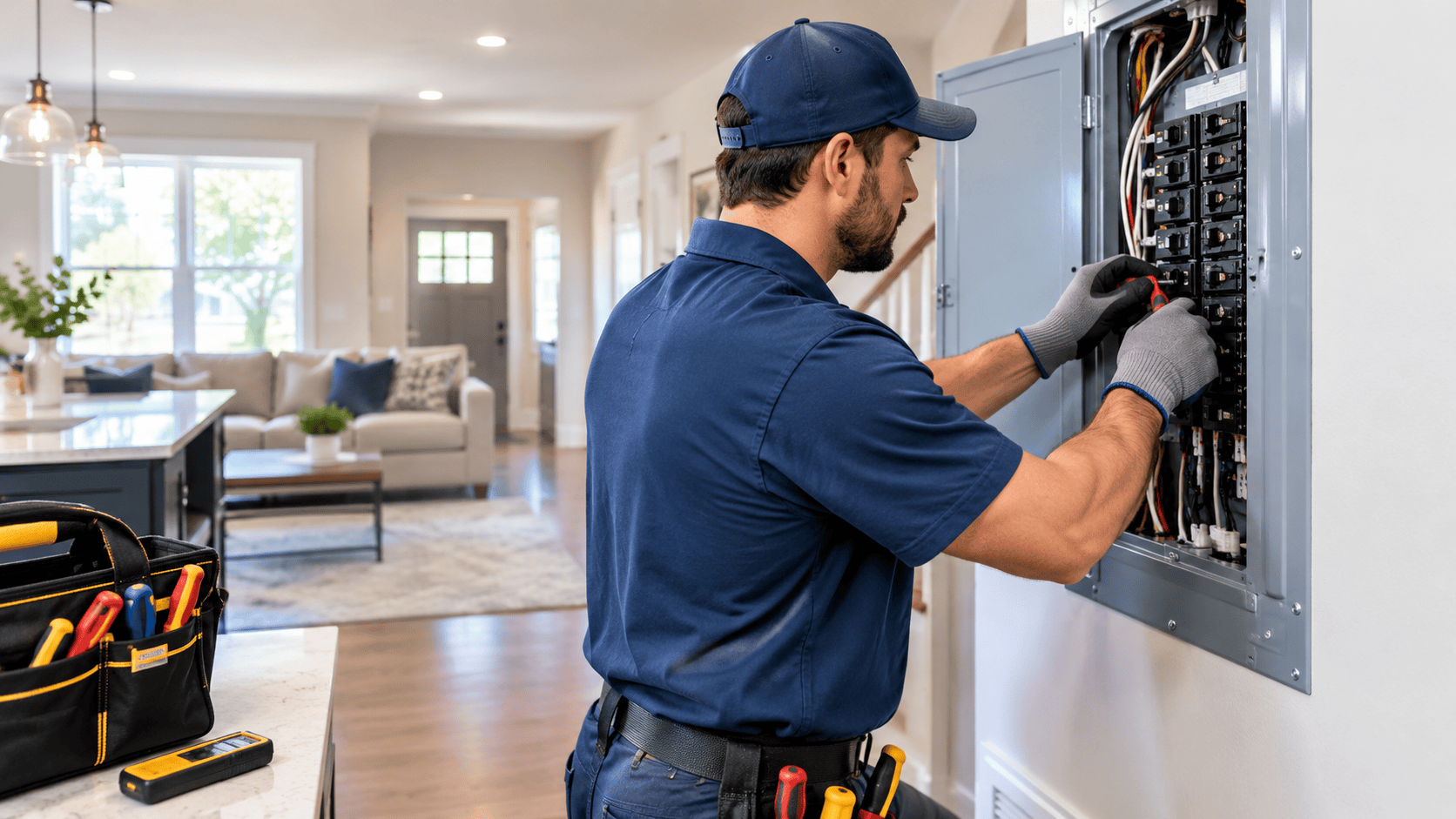
A professional assessment can pinpoint exactly where the strain is happening, whether it's the panel itself, aging wiring, or circuits that were never meant to carry this much load, and lay out what actually needs to change.
Electrical Repair Services for Everyday Home Problems
Almost every homeowner deals with electrical hiccups at some point. The most common ones tend to be
- Flickering or dimming lights
Breakers that trip repeatedly, sometimes for no obvious reason - Outlets or switches that feel loose, sparky, or just don't work
- Wiring that looks frayed, chewed, or exposed
- Power that cuts out in one room but not others
- Panels or outlets that feel warm to the touch
It's tempting to just flip the breaker back on and move on with your day. But when the same issue keeps coming back, that's usually a sign of something underneath a loose connection, an overloaded circuit, or wiring that's simply worn out. Electrical repair services worth their name don't just patch the symptom. They trace the problem to its actual source, so you're not resetting the same breaker every other week.
Battery Backup for Home Power Reliability
Outages happen when a storm rolls through, the grid gets overloaded, or a tree takes down a line a few blocks away. A battery backup for home use stores electricity so the essentials keep running when the power doesn't:
- The refrigerator and freezer stay cold
- Sump pumps keep operating during storms (when you need them most)
- Medical equipment or home-office setups stay powered
- Wi-Fi and security systems don't go dark
Getting this right isn't as simple as bolting a unit to the wall. The system has to be sized correctly for the home's actual usage and wired into the existing panel safely. Get either of those wrong, and you end up with a backup system that either underperforms or creates a new electrical risk which defeats the purpose.
Battery Installation and Maintenance
Battery installation involves more than the physical mounting. It means understanding:
- How the battery communicates with the home's panel
- How and when it charges
- How power transfers during an actual outage
Once it's in place, the work isn't over. Battery maintenance matters just as much as the install itself. A few things worth checking periodically:
- Charging function and battery health
- Connection points for wear or looseness
- Overall system performance under a test run
A backup system that's never been checked is really just an assumption. Routine maintenance is what turns that assumption into something you can actually count on.
Home Generator Services for Backup Power
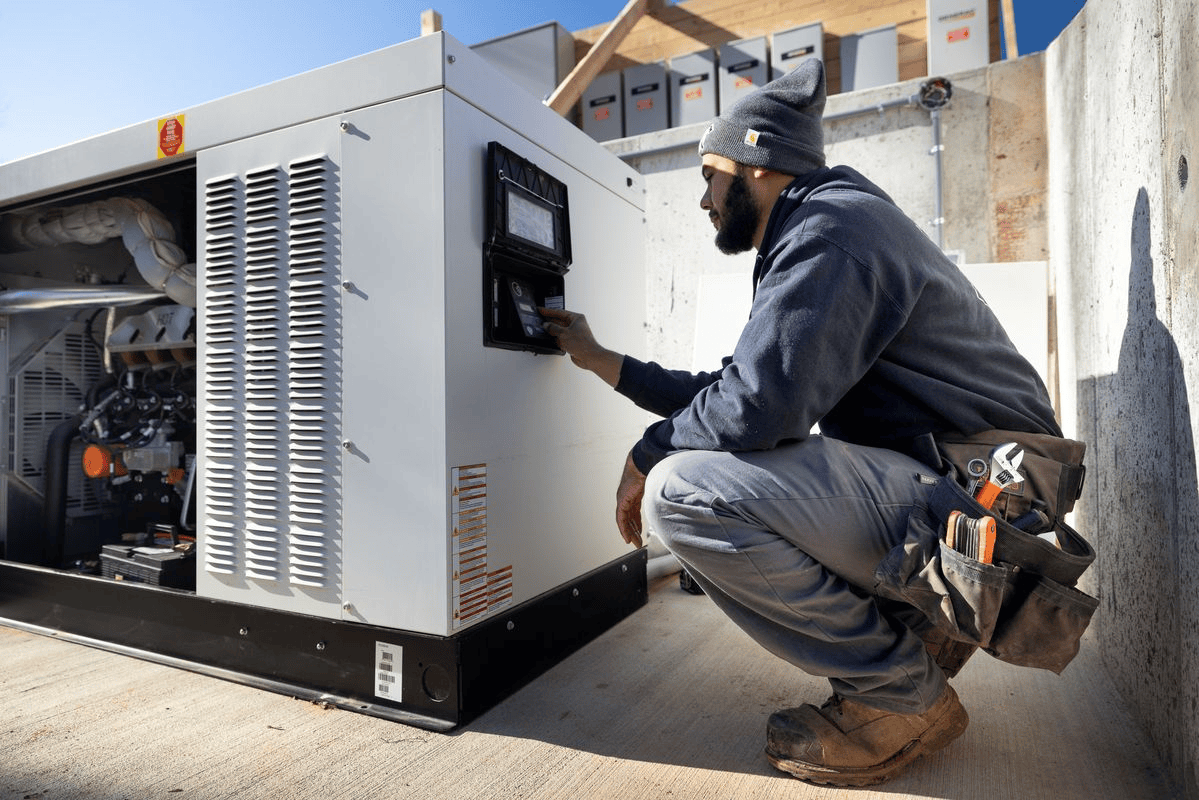
For homeowners who want more coverage than a battery alone can offer, home generator services add another layer of preparedness. Generators can be set up to kick in automatically or be started manually, depending on the setup and the homeowner's preference.
Installation is only step one. A generator also needs:
- A safe, properly wired connection to the home's electrical system
- Periodic testing to confirm it starts and runs as expected
- Routine servicing, since a generator that sits unused for months isn't guaranteed to perform when it's finally needed
The value of a generator isn't really tested until the power actually goes out which is exactly why the maintenance side shouldn't be an afterthought.
Choosing the Right Electrical Contractor
Not all electrical contractors approach a job the same way. A few things worth paying attention to when choosing one:
- Experience with residential systems, specifically commercial work, doesn't always translate
- Clear communication about what's being done and why
- A methodical diagnostic process, rather than guesswork
- A visible focus on safety at every stage of the job
- Willingness to explain findings in plain, non-technical language
You shouldn't need an electrical background to understand what's happening in your own home. A contractor who takes the time to explain things clearly makes the whole process a lot less stressful.
When to Contact an Electric Company or Electric Repair Company
Some electrical issues can wait for a scheduled visit. Others can't. Contact an electric repair company as soon as possible if you notice:
- Breakers that keep tripping, even after resetting them
- Wiring that looks damaged, chewed, or exposed
- A sudden loss of power in part of the home, with no clear cause
- A burning smell near outlets, switches, or the panel
- Any visible sparking
None of these are "wait and see" situations. Left alone, small warning signs like these tend to turn into much bigger problems.
Understanding Residential Electrical Service
Residential electrical service isn't limited to emergency calls. It typically covers:
- Diagnosing and fixing persistent electrical issues
- Installing new outlets, switches, or fixtures
- Upgrading outdated panels or wiring
- Adding circuits for new appliances or equipment
- Redesigning or improving lighting layouts
- Integrating backup power systems like batteries or generators
Having one point of contact for all of this makes it easier to keep the whole system working together, rather than patching individual issues as they pop up.
Handling an Electrician Emergency
Some situations can't wait sparking, a burning smell, exposed wires, or a shock from touching an outlet or appliance. If that happens:
- Don't touch the damaged component
- Stay away from any exposed wiring
- If it's safe to do so, shut off power to the affected area at the breaker panel
- Call a qualified professional right away
An electrician emergency isn't the time to troubleshoot on your own. Getting the power off and getting help on the way is what actually keeps everyone safe.
Conclusion
Homes are only going to keep asking more of their electrical systems, more devices, more backup needs, and more reliance on power that simply works when it's supposed to. Staying ahead of that means having someone you trust for the repairs, the upgrades, and the backup planning alike. Whether it's a flickering light that needs a look or a full battery and generator setup, professional residential electrician services in Maryland help make sure a home's electrical system can actually keep up.
Frequently Asked Questions
What services are typically included in residential electrical work?
Residential electrical work generally covers troubleshooting and repairs, panel and wiring upgrades, new outlet or fixture installation, lighting improvements, and backup power solutions like batteries or generators. The exact scope depends on the home's age, its electrical demand, and what the homeowner actually needs, but the goal is always a system that runs safely.
When should I consider a battery backup for my home?
It's worth considering if outages are common in your area or if certain systems, refrigeration, sump pumps, and medical equipment need to stay running no matter what. It's also a reasonable choice for anyone who simply wants less dependence on the grid.
How often should a home battery backup system receive maintenance?
Periodically, with checks on charging function, connection points, and overall performance. Routine maintenance is what confirms the system will actually work during an outage, instead of finding out the hard way that something wasn't right.
When should I call an electrician for an electrical problem?
Call if you notice recurring breaker trips, flickering lights, warm outlets or switches, damaged or exposed wiring, unexplained power loss, or any burning smell. These are usually signs of an underlying issue that a temporary fix won't actually solve.
What should I consider when choosing a residential electrical contractor in Maryland?
Look for hands-on residential experience, clear communication, and a methodical way of diagnosing problems. A contractor who explains their findings in plain language instead of technical shorthand makes it much easier to understand what's happening and why.
With offices in Ijamsville, MD & Linville, VA, Got Electric offers residential and commercial electric work, including installation, safety inspections, repairs, lighting design, and troubleshooting.
Got Electric also specializes in solar Energy Projects. Our electricians are fully licensed by state and local jurisdiction, ensuring that your electrical projects will be installed to industry and code standards.
Energized by Auxilium Technology